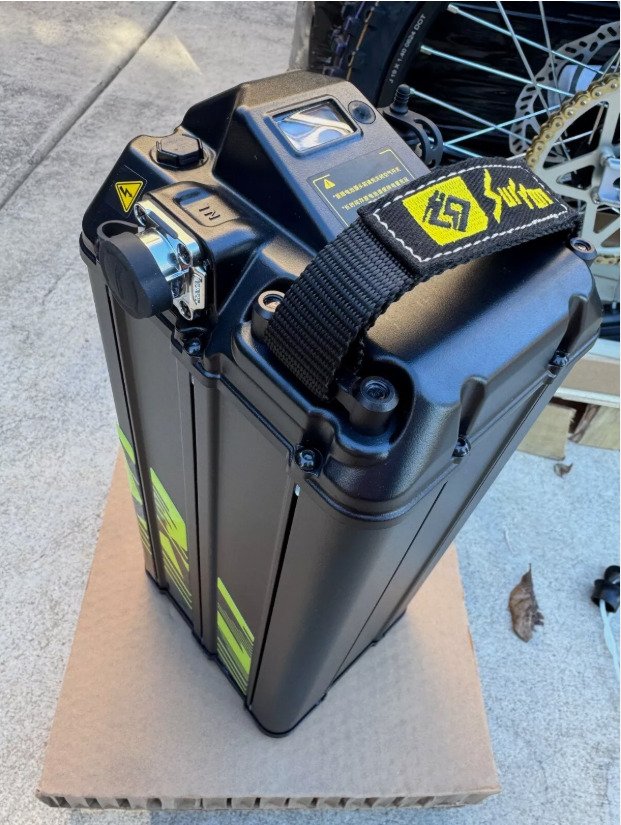

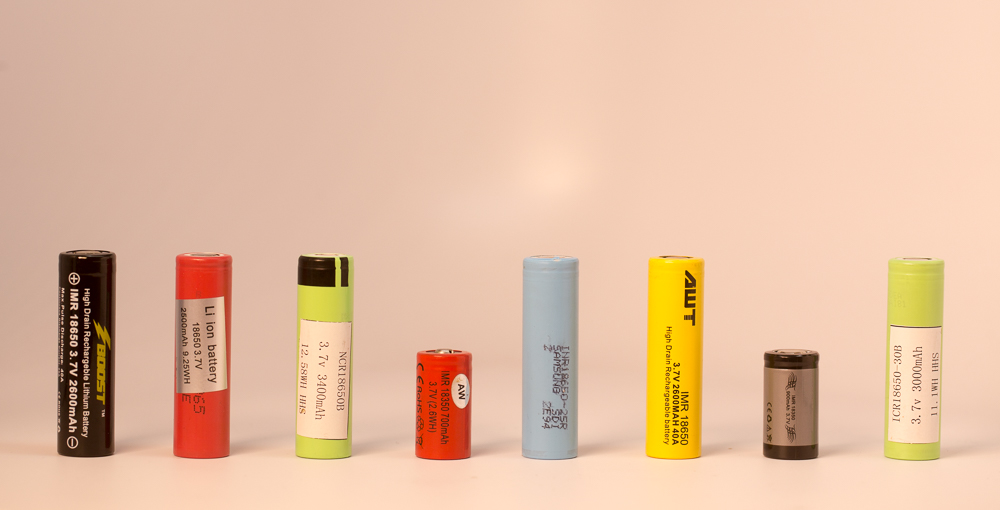
18650 cell breakdown. Battery packs for e-bikes are composed of several interconnected cells. These cells are the primary component of a decent e-bike battery pack, followed by a BMS (battery management system) to regulate the charge and discharge levels and ensure their safety, and finally some sort of packaging to keep them all together. Spot welding is typically used to join the cells (see this excellent post about a home builder building an 18650 pack).
Manufacturers and home builders alike are increasingly choosing to employ 18650 cells in their e-bike packs. This is due to the fact that 18650 cells are among the safest choices for lithium battery packs, highly power dense, and reasonably priced.
18650 cells come in a variety of capacity (mAh), max amps (power), and brand names. Of course, the higher rating amperage and capacity the more expensive the cell.
We are concentrating on two of the leading brands of EV batteries, Samsung and Panasonic, since the best 18650 cells are now produced in Japan. These two businesses are well known for producing cells that are stable at higher currents and have a huge capacity. Tesla’s use of Samsung or Panasonic cells makes sense.
Here is a rundown of some typical 18650 cells on ebikes.
Samsung 25r
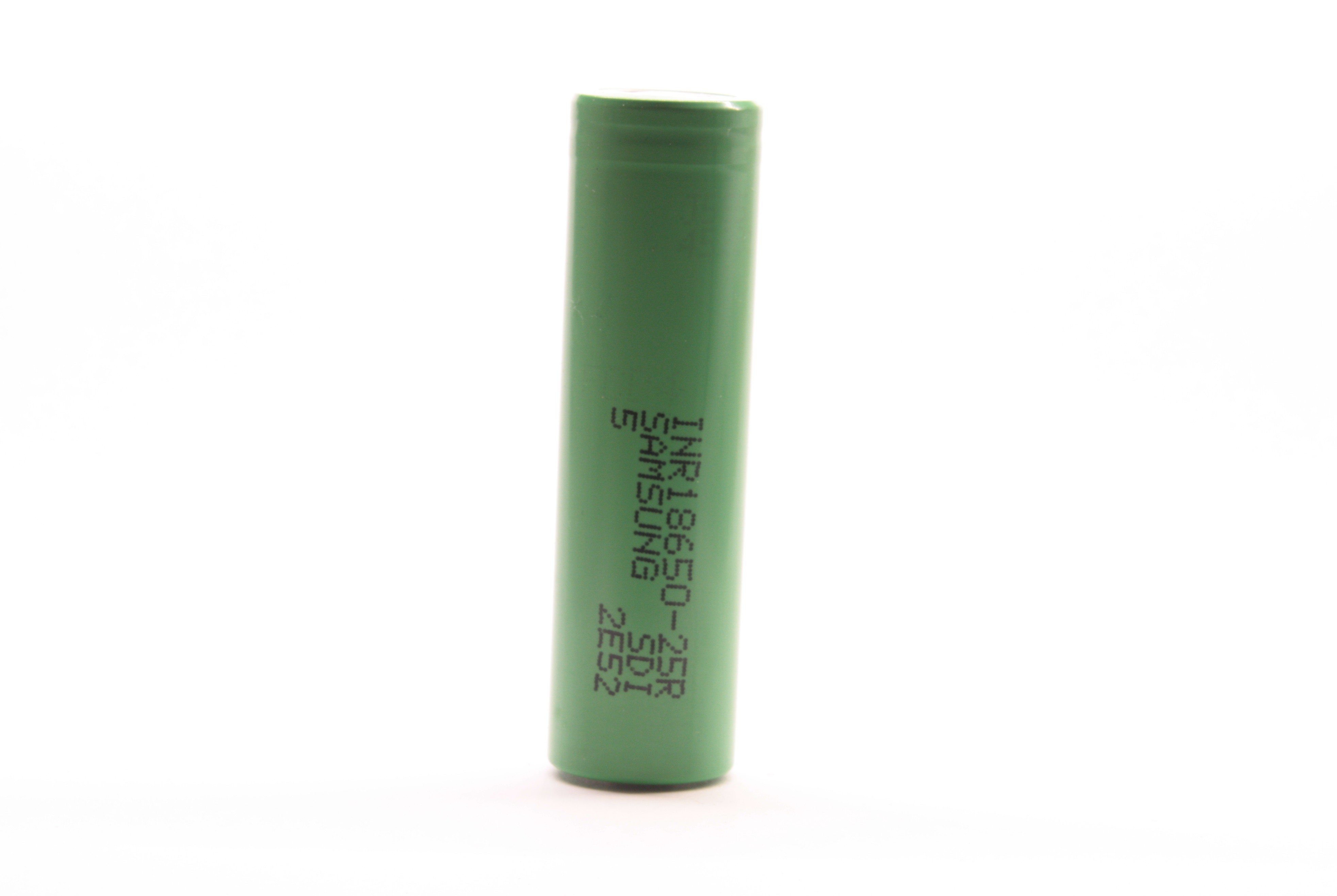
INR18650-25R
| full name: | |
| capacity: | 2500mAh |
| battery type | Lithium ion |
| 20 amp continuous rating | 20 amps |
| Price range per cell | $6-$10 |
| *Ebike Life expectancy | 600 charges |
Our preferred EV battery cell is the Samsung 25r. It is reasonably priced and has been shown to be stable at high amperage. Although such high amperage is plainly detrimental to the pack, a single 25r may produce bursts of 100 amps. With the exception of the most potent e-bike packs, a larger 25r battery pack (20ah) will be difficult to get even warm. The 25R cell is the best option if you ride an e-bike at 30 mph or more.
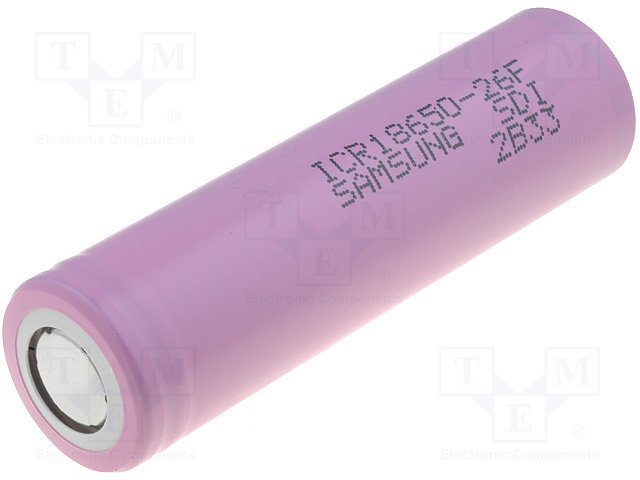
Samsung 26f
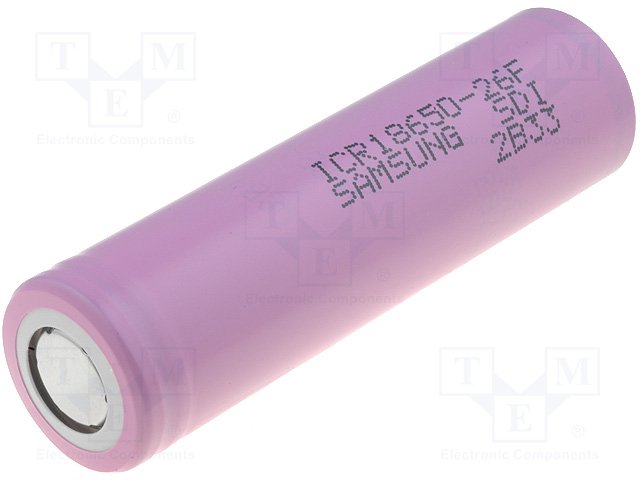
| full name: | Samsung ICR 18650-26f |
| capacity: | 2600mAh |
| battery type | Lithium ion |
| continuous amperage: | 5 amps |
| Price range per cell | $4.50-$7 |
| *Ebike Life expect | 400 charges |
The most reasonably priced Samsung cell is the 26f. It can’t handle much power, and if you run a lot of amps in an e-bike pack, it quickly gets hot. 18650 cell breakdown. This cell is most likely what you get when you purchase a commercial e-bike that promotes Samsung cells. On a home-built bike, it’s best to let your ebike pack cool down if you notice it’s growing hot because the heat significantly shortens the battery pack’s lifespan.
Samsung 30q
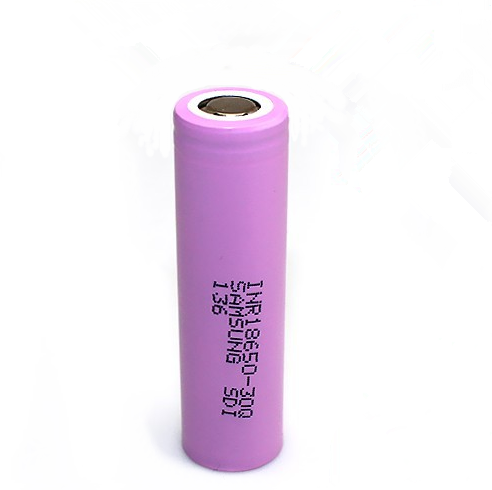
| full name: | INR18650-30Q |
| capacity: | 3000mAh |
| battery type | Lithium ion |
| continuous amperage: | 15 amps |
| Price range per cell | 6-10$ |
| *Ebike Life expect | 400 charges |
The Samsung wild card battery. Exciting specs, but it’s fresh to the market. This cell has a high mAh rating (3000) and a high 15 amp continuous rating at a reasonable price. It was designed for electric vehicles.
What makes it a wild card? It is a brand-new product that was only released in Asia this month and has not been tested on the market. (June 2015)
We anticipate great things from this innovative new cell and are thrilled to be able to produce e-bike batteries from it.